Introduction
Modern architecture is redefining the way we experience spaces. The rigid distinction between indoors and outdoors is dissolving, giving way to seamless, fluid designs that connect nature with built environments. Indoor-outdoor architecture is no longer a trend—it is a movement shaping the way we live, work, and interact with spaces.
At Edge Architects, we believe in designing structures that enhance well-being, foster sustainability, and elevate aesthetics by merging interiors with the natural world. Let’s explore the rise of indoor-outdoor architecture and its impact on modern design.
The Concept of Indoor-Outdoor Living
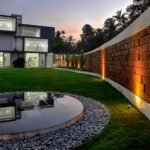
Indoor-outdoor architecture integrates elements of nature within a built structure, creating a seamless transition between inside and outside spaces. It embraces openness, natural materials, and fluid design to enhance comfort and functionality.
Key Features of Indoor-Outdoor Architecture
✔ Expansive Glass Walls & Sliding Panels
Floor-to-ceiling glass doors and retractable walls dissolve boundaries, allowing natural light and fresh air to flow effortlessly into interiors.
✔ Open Courtyards & Atriums
Incorporating central green spaces within homes or commercial buildings brings a sense of tranquility and natural connection.
✔ Extended Living Spaces
Outdoor lounges, kitchens, and entertainment areas extend the usability of spaces beyond traditional walls.
✔ Natural Materials & Textures
Wood, stone, and organic textures create visual continuity between indoor and outdoor elements, reinforcing a harmonious design.
✔ Smart Climate Control & Sustainability
Passive cooling techniques, green roofs, and solar shading optimize energy efficiency while blending architecture with nature.
Why Indoor-Outdoor Architecture is Gaining Popularity
Health & Well-being
Bringing nature into everyday spaces enhances mental well-being, boosts productivity, and reduces stress by creating serene environments.
Maximized Natural Light & Ventilation
Larger openings and open layouts allow more daylight and fresh air, reducing dependency on artificial lighting and air conditioning.
Sustainability & Energy Efficiency
With climate-conscious design strategies, these spaces promote eco-friendly living, reducing energy consumption while enhancing indoor comfort.
Aesthetic & Functional Appeal
Blending indoor and outdoor spaces elevates the visual appeal of any property, making it more inviting, spacious, and luxurious.
Edge Architects: Crafting Seamless Experiences
At Edge Architects, we embrace the philosophy of indoor-outdoor integration to design spaces that are both inspiring and functional. Our approach focuses on sustainability, innovation, and personalized experiences, ensuring that each project harmonizes with its surroundings while enhancing the quality of life.
Final Thoughts
The future of architecture is dynamic, adaptive, and nature-centric. Indoor-outdoor design is not just about aesthetics—it’s about redefining how we engage with our environment. As more homeowners, developers, and businesses embrace this concept, the way we design and experience spaces will continue to evolve.
Looking to transform your space with an indoor-outdoor architectural approach? Let’s design the future together!