As we step into 2025, the architectural landscape continues to evolve, embracing new technologies, sustainable practices, and innovative designs. Architects and designers are pushing the boundaries of creativity while addressing environmental concerns and technological advancements. Here are some of the key architectural trends shaping modern structures in 2025.
1. Smart and Sustainable Design
Sustainability remains at the forefront of architectural innovation. Buildings in 2025 are designed with energy efficiency, eco-friendly materials, and smart technology integration. Features like green roofs, solar panels, and rainwater harvesting systems are becoming standard, reducing the environmental impact of new constructions.
2. Biophilic Architecture
The connection between nature and architecture is stronger than ever. Biophilic design incorporates natural elements into buildings, such as indoor gardens, vertical green walls, and large open spaces with natural lighting. This trend enhances well-being, improves air quality, and creates aesthetically pleasing environments.
3. Adaptive and Modular Spaces
With the rise of urbanization and changing lifestyles, adaptability is key. Modular and prefabricated structures are gaining traction, offering cost-effective and flexible solutions. Architects are designing buildings that can be easily expanded or repurposed to meet future needs, making structures more resilient and long-lasting.
4. AI and Digital Integration
Technology is playing a crucial role in modern architecture. AI-powered design tools, 3D printing, and digital twins are revolutionizing the construction process, making it faster and more efficient. Smart homes and commercial buildings with AI-driven automation systems are becoming the norm, providing energy optimization, security, and convenience.
5. Parametric and Fluid Designs
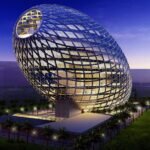
Gone are the days of rigid, uniform structures. Parametric design, powered by computational algorithms, is enabling architects to create fluid, organic, and dynamic buildings. These futuristic structures are visually striking while optimizing functionality and efficiency.
6. Net-Zero and Passive Design Strategies
With the global push for carbon neutrality, net-zero energy buildings are on the rise. Architects are incorporating passive design strategies such as natural ventilation, thermal insulation, and energy-efficient facades to minimize energy consumption while maximizing comfort.
7. Vertical Cities and Mixed-Use Developments
As urban spaces become more constrained, vertical architecture is taking center stage. High-rise buildings are evolving into mixed-use ecosystems, incorporating residential, commercial, and recreational spaces. Vertical forests and self-sustaining skyscrapers are paving the way for future cities.
8. Minimalism with a Purpose
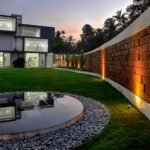
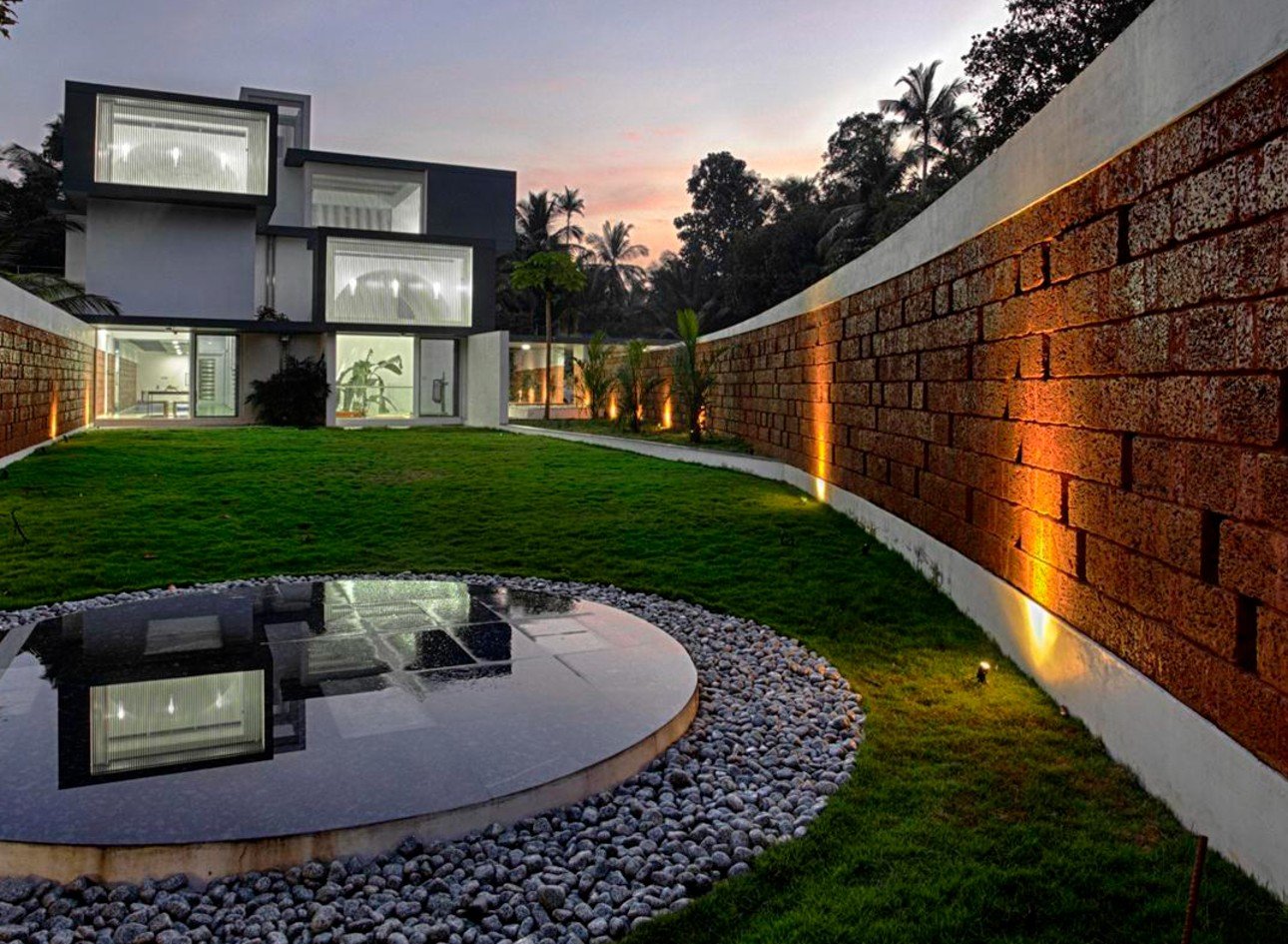
Minimalist architecture continues to thrive, but with a stronger focus on functionality and sustainability. Clean lines, open layouts, and the use of sustainable materials create serene and purposeful spaces that enhance productivity and comfort.
9. 3D-Printed Structures
Advancements in 3D printing are revolutionizing construction by reducing costs, waste, and build time. From affordable housing solutions to intricate architectural designs, 3D printing is set to redefine how buildings are designed and constructed in 2025.
10. Cultural and Contextual Sensitivity
Modern architecture is embracing local culture, traditions, and history. Instead of imposing global trends, architects are designing buildings that blend seamlessly with their surroundings, respecting heritage while incorporating modern elements.
Final Thoughts
The future of architecture in 2025 is shaped by sustainability, technology, and adaptability. As architects embrace these trends, buildings will not only be aesthetically remarkable but also functional, energy-efficient, and responsive to human needs. The era of intelligent, eco-friendly, and innovative architecture is here—are you ready for the future?