As urban spaces evolve, architects and designers seek innovative structural solutions that balance aesthetics, functionality, and sustainability. One such breakthrough in modern architecture is Spider Architecture—a design approach inspired by the intricate yet highly efficient web structures of spiders. This architectural philosophy is redefining how buildings interact with their environments, creating striking, resilient, and adaptive urban spaces.
1. The Essence of Spider Architecture
Spider Architecture takes inspiration from biomimicry, using nature’s principles to create efficient, lightweight, and highly resilient structures. Just as a spider’s web is designed to withstand external forces while maintaining flexibility, Spider Architecture incorporates tensile structures, dynamic facades, and interconnected frameworks that offer both strength and elegance.
2. Maximizing Space Efficiency
Urban landscapes often face constraints like limited land availability and zoning regulations. Spider Architecture optimizes space utilization by introducing fluid, adaptable designs that seamlessly integrate with existing infrastructure. Its focus on lightweight materials and tension-based support systems enables the creation of expansive, open spaces without excessive bulk or rigid support columns.
3. Structural Strength and Resilience
A key feature of Spider Architecture is its ability to withstand extreme environmental conditions. Inspired by the tensile strength of spider silk, these designs utilize advanced materials like carbon fiber, high-strength glass, and tensile steel cables. This results in buildings that are resistant to earthquakes, high winds, and even extreme temperature fluctuations—making them ideal for dynamic urban environments.
4. Aesthetic Innovation and Transparency
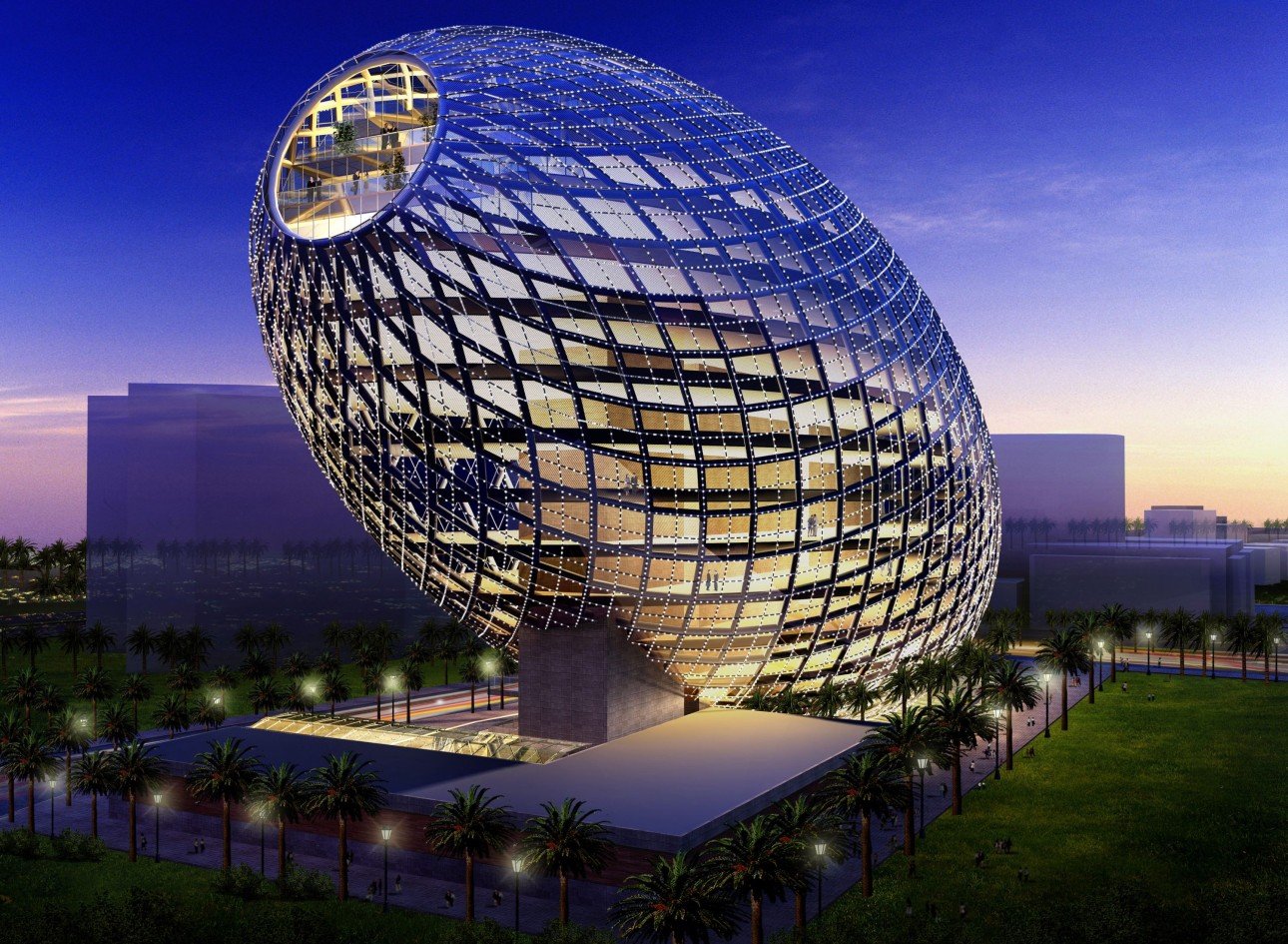
Modern urban design demands both functionality and visual appeal. Spider Architecture often incorporates glass facades with minimalistic metal frames, giving structures a transparent, floating appearance. The seamless integration of these elements enhances natural light penetration, reducing energy consumption while maintaining a sleek and futuristic look.
5. Sustainability and Environmental Adaptability
With sustainability at the core of contemporary architecture, Spider Architecture aligns perfectly with green building principles. Its designs allow for:
- Passive cooling and ventilation through open, breathable structures
- Efficient use of materials that reduce construction waste
- Integration with renewable energy sources like solar panels and wind turbines
- Green spaces and vertical gardens that enhance urban biodiversity
6. Flexibility for Smart Cities
As cities become smarter, buildings must be adaptable to technological advancements. Spider Architecture supports modular construction techniques, allowing for easy modifications and upgrades. Its open design also facilitates the integration of smart sensors, automated systems, and AI-driven infrastructure management—making it the perfect fit for futuristic urban planning.
7.Iconic Examples of Spider Architecture
Several modern landmarks embody the principles of Spider Architecture, such as:
- Apple’s Flagship Stores – Featuring glass curtain walls and spider fittings that create an almost invisible support system
- The Louvre Pyramid, Paris – A stunning example of tensile glass structures with minimal support
- The Allianz Arena, Munich – Showcasing dynamic facades inspired by natural, web-like formations
Conclusion: The Future of Urban Spaces
Spider Architecture is more than a trend—it is the future of urban development. Its blend of innovation, sustainability, and aesthetic appeal makes it a compelling choice for architects seeking to create modern, efficient, and resilient cityscapes. As urbanization accelerates, embracing such cutting-edge architectural techniques will ensure our cities remain not just livable, but truly inspiring.